Local sourcing. Local strategy. Sovereign by design.
Think Local, Act Local:
Why European Companies Must Own Their Chains.
A lesson the world taught us the hard way
For decades, efficiency was the only metric that mattered. Companies sourced wherever it was cheapest, processed wherever it was fastest, and shipped finished goods across the planet without asking what would happen if one link broke. Then the Links broke. A pandemic closed ports. A war on European soil disrupted energy, grain and fertilizer flows overnight. Suddenly, the price of a cargo route, a gas field or a foreign processing plant determined whether European factories could keep running and whether European shelves stayed stocked.
That is the moment the word “sovereign” stopped being political jargon and became a business strategy. A sovereign company is one that controls what it depends on: its supply, its processing, its data and its choices. And the most practical way to become sovereign is deceptively simple: think and act local.
“Local” is not nostalgia. It is risk management.
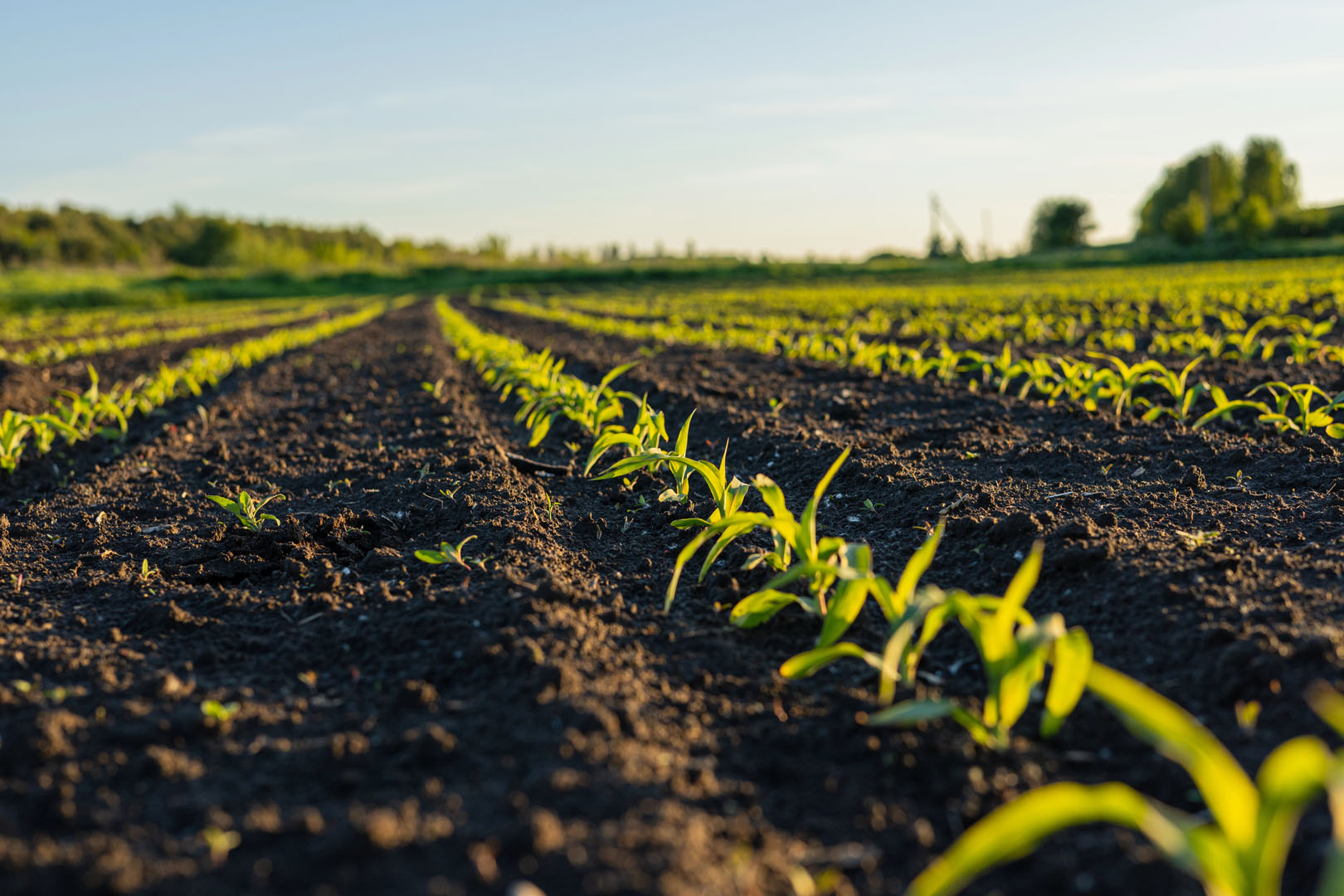
For a European company, acting locally means building short, transparent and flexible chains within Europe’s own borders. It means sourcing from the farmer one region over instead of a commodity trader three oceans away. It means processing close to where crops are grown, so value, jobs and knowledge stay in the community that produced them.

Europe’s moment favors the local player
This is not just company logic; it is where Europe itself is heading. The EU has embraced strategic autonomy and technological sovereignty, the Farm to Fork strategy pushes for shorter, fairer and greener food systems, and consumers increasingly read “local” as a mark of quality and integrity. Policymakers, investors and retailers are all converging on the same conclusion: resilient, European-controlled chains are not a luxury but a condition for growth.
A company that positions itself locally today is aligned with the direction of regulation, the priorities of public funding and the sentiment of the market. A company that stays dependent on long, opaque global chains is exposed on all three fronts.
The missing link in the local chain
Thinking local is easy. Acting local is the hard part, because the infrastructure to do it was often dismantled. Take the plant-based protein transition: Europe wants new crops, new ingredients and new food systems, yet a crucial link is missing: local, flexible processing capacity. Crops can be grown close to home, but without processing nearby, harvests still travel far, value still leaks away and farmers still depend on distant industrial hubs.
Local thinking is how a European company becomes sovereign: in control of its chains, in step with its continent, and rooted in the community that sustains it.
Learn more about our ‘local’ policy: not only for our supply, but also our internal organization is built on local solutions, partners and machines. All from short distance and supporting local Economy.